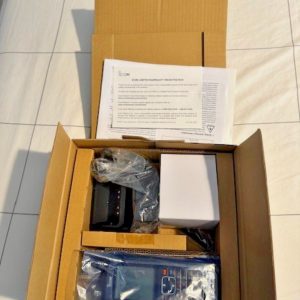
:::writingvariant="document" id="58314" ICOM IC-A25N Handheld NAV/COM Transceiver w/ Bluetooth – Open Box: Versatile Cockpit and Ground Communication The ICOM IC-A25N Handheld NAV/COM Transceiver w/ Bluetooth – Open Box provides pilots and aviation professionals with a convenient combination of communication, navigation support, portable operation, and wireless connectivity. An open-box ICOM transceiver can be attractive to buyers who want dependable features while reducing the cost of purchasing professional aviation equipment. The ICOM IC-A25N Handheld NAV offers a flexible option for private pilots, commercial operators, instructors, aviation students, and support personnel. As an ICOM IC-A25N Aviation Radio, the transceiver may be used during normal flight operations, communication training, airport monitoring, ground coordination, and emergency preparation. The compact ICOM IC-A25N Handheld Radio may be especially useful for pilots who operate multiple aircraft or frequently travel between airports and training locations. read more A capable Handheld NAV/COM Aviation Transceiver provides pilots with an integrated solution that can be stored conveniently and accessed quickly. Whether the intended use involves a Handheld Aviation Radio, Aviation NAV/COM Radio, Pilot Handheld Radio, or Aircraft Communication Radio, dependable battery and antenna performance remain important. As an Aviation Communication Device, the radio can provide portable support for cockpit, training, emergency, and ground environments.
Understanding the ICOM IC-A25N Handheld NAV/COM Transceiver
The radio’s portable construction allows it to support aircraft operations before departure, during flight, after landing, or while personnel are working around the airport. The IC-A25N may appeal to users who prioritize strong construction, straightforward operation, and access to aviation functions away from the instrument panel. Portable equipment should be treated as part of a complete communication plan rather than a guaranteed replacement for every installed avionics function. Training with the device can reduce delays and confusion when rapid communication becomes necessary.Choosing the ICOM IC-A25N Handheld NAV
A handheld NAV radio can be valuable to flight instructors who demonstrate aviation communication and navigation concepts during training. Ground personnel can use an appropriate handheld radio for monitoring or coordination where local procedures and regulations allow. Pilots should verify information using suitable aviation references and avoid relying on one portable device for every navigation decision. Organized cockpit placement improves access while protecting the radio from impact, movement, moisture, and accidental activation.Using the ICOM IC-A25N Aviation Radio
The handheld unit can support operations during aircraft maintenance, ramp movement, hangar work, or other situations where installed radios are not easily accessible. The radio may also be useful at aviation events, remote airfields, flight schools, maintenance shops, aircraft demonstrations, and airport operations areas. Buyers should consider the radio’s physical condition, battery age, charging equipment, antenna, clips, headset accessories, manuals, packaging, and evidence of proper operation. The best purchase decision combines condition evidence, package completeness, seller credibility, secure payment, and documented delivery terms.ICOM IC-A25N Handheld Radio Applications
A compact radio can remain in a flight bag alongside headsets, charts, flashlights, batteries, and other essential pilot equipment. Responsible storage preserves physical condition and improves the likelihood that the radio will function correctly when needed. Preflight preparation may include charging, accessory inspection, Bluetooth pairing, memory review, antenna attachment, and volume adjustment. The radio should be removed from environments where condensation, fuel, oil, cleaning products, or maintenance debris may cause damage.Maintaining a Handheld NAV/COM Aviation Transceiver
A NAV/COM transceiver can support normal operations, training, backup planning, aircraft delivery, and selected ground activities. An open-box package may represent strong value when it includes the equipment required for immediate setup and normal use. A brief function check can identify weak battery performance, loose accessories, damaged connectors, or configuration problems before departure. The antenna, battery, charger, headset adapter, belt clip, and other accessories should remain organized with the radio.Handheld Aviation Radio Benefits
Handheld radios provide communication flexibility where panel equipment is unavailable, temporarily unpowered, difficult to access, or assigned to another aircraft. Backup capability may help pilots maintain access to important communication options while managing an abnormal situation appropriately. Users may experience improved range when the antenna has a clear position compared with operation deep inside a metal airframe or enclosed structure. Users should understand local procedures before transmitting from airports, airshows, training areas, or ground facilities.Aviation NAV/COM Radio Functions
A NAV/COM radio may support pilots who need backup communication while also valuing navigation-oriented information and operating flexibility. A portable radio should support cockpit management rather than add unnecessary workload. Pilots should maintain current charts, navigation planning, weather awareness, and suitable avionics for the flight being conducted. A structured preflight routine helps the Aviation NAV/COM Radio deliver reliable and practical support.Pilot Handheld Radio Benefits
Flight instructors may value a handheld unit for monitoring, demonstration, backup, and coordination during ground or flight-training activities. The microphone, antenna, cables, headset adapters, and charger should be stored so they do not become tangled or damaged. Pilots can include the handheld in periodic proficiency exercises without making unauthorized or unnecessary transmissions. A battery that appears charged after long storage may not provide the operating duration expected under real conditions.Aircraft Communication Radio Benefits
An aircraft communication device can support maintenance coordination, ground handling, training activities, and operational monitoring where appropriate. Pilots should listen before transmitting, speak clearly, keep messages relevant, and verify that the correct frequency is selected. Buildings and hangar structures can also reduce radio performance during ground use. Qualified repair or manufacturer-supported service may be appropriate for electronic problems that cannot be corrected through normal setup.Maintaining a Portable Aviation Transceiver
A compact transceiver may remain available during electrical shutdowns, maintenance events, panel upgrades, or aircraft storage. A protective case can separate the radio from tools, keys, metal objects, liquids, and heavy equipment inside a flight bag. Wireless connectivity may help pilots integrate the radio into a preferred communication setup when paired equipment is supported and configured correctly. The radio should remain usable even when a paired device is unavailable or the Bluetooth connection cannot be restored.Choosing an Aviation Communication Device
Commercial value is strongest when the radio includes the accessories, battery capability, and support required for actual use. Open-box equipment should be compared carefully with new and used alternatives because condition, warranty, packaging, and completeness may vary. Aviation businesses should establish procedures for cleaning shared microphones, headsets, controls, and surfaces where appropriate. A radio configured for one headset or training environment may need adjustment before being issued for another application.Handheld Aircraft Radio Applications
A Handheld Aircraft Radio can provide useful communication capability both inside the cockpit and around the aircraft during maintenance, preflight, towing, fueling, or operational preparation. Using the radio on the ground can preserve aircraft battery power and reduce the need to energize installed avionics solely for monitoring or coordination. A planned storage position supports fast retrieval while protecting the radio and aircraft interior. Consistent care helps a Handheld Aircraft Radio transition reliably between cockpit, hangar, ramp, and storage use.Aviation Navigation Radio Applications
A combined navigation and communication unit can help pilots maintain familiarity with one device rather than carrying unrelated portable tools. Pilots should confirm which navigation functions are available, how they operate, and what limitations apply before relying on them. A handheld radio should not be treated as a substitute for equipment or procedures required by regulation, aircraft approval, or operating conditions. Users should remove outdated memories or clearly organize frequencies to reduce confusion during operation.Choosing an ICOM Pilot Radio
The radio may also suit instructors, aircraft technicians, flight departments, and airport operations personnel who require portable communication equipment. Brand reputation should be considered alongside the condition and completeness of the specific unit being purchased. Aviation students may prioritize ease of learning, while experienced pilots may focus on backup capability, portability, and integration. Pilots should record serial information, purchase details, accessory inventory, battery condition, and any warranty documentation.Emergency Aviation Radio Preparedness
The IC-A25N can become part of a broader emergency equipment strategy appropriate to the aircraft, route, environment, and pilot’s needs. The pilot should understand how portable-radio range may differ from normal aircraft communication equipment. Emergency preparation may include checking battery endurance, carrying an appropriate backup power source, protecting the antenna, and confirming headset compatibility. Battery packs should be replaced when capacity declines, physical damage appears, charging becomes unreliable, or the manufacturer’s guidance indicates replacement.Using a Backup Aircraft Radio
Pilots who operate several aircraft can carry the same Backup Aircraft Radio and remain familiar with its controls across different cockpit layouts. Pilots should confirm charge status, antenna attachment, audio output, Bluetooth pairing, memory organization, and accessibility. The device should be placed where it can be retrieved quickly without interfering with flight controls or becoming a loose object. The handheld radio should support safe aircraft management rather than draw attention away from immediate flight responsibilities.Buying an Open-Box ICOM IC-A25N
The display should illuminate correctly and remain free from major damage, unreadable sections, or unexplained visual problems. The seller should identify whether original packaging, manuals, warranty materials, and product registration documents remain available. Functional testing should include power-on behavior, charging, control response, display operation, speaker audio, microphone function where appropriately tested, and accessory recognition. The buyer should inspect the radio promptly after delivery and report any missing items, damage, or functional concerns according to the agreed terms.Protecting ICOM IC-A25N Reliability
Long-term reliability depends on battery care, protected storage, correct charging, careful antenna handling, clean connectors, updated familiarity, and prompt attention to operating concerns. Any change in audio, charging, battery life, control response, display quality, Bluetooth operation, or power stability should be investigated.- Inspect the radio body, display, antenna, battery, charger, controls, connectors, clips, cables, and included accessories before important operations.
- Confirm that paired accessories, headset connections, stored information, display settings, antenna attachment, and power level are suitable for the planned operation.
- Store the radio, battery, charger, antenna, adapters, and documentation in a dry, organized, protected location after use.